Liver protection starts with risks you can change: alcohol exposure, medicines and unnecessary supplements, alongside weight, waist size, blood glucose and cholesterol. Learn how to avoid duplicate dosing, recognize alcohol withdrawal, prepare for fatty liver assessment and make practical changes to food, activity and sleep.
When thinking about liver health, many people first consider supplements, detox teas or a particular bedtime. A more useful starting point is to review how much alcohol you drink, which medicines and supplements you take, and whether your weight, waist size, blood glucose and cholesterol need attention. Early liver disease may cause no obvious symptoms, so feeling energetic and eating normally cannot confirm that your liver is healthy.
This advice is mainly for adults who want to reduce everyday risks. If you have hepatitis B, hepatitis C, cirrhosis or another diagnosed liver condition, make lifestyle changes part of your existing care plan. They cannot replace treatment of the underlying cause.
Assess alcohol exposure rather than how well you tolerate drinking
Alcohol can damage the liver. Risk depends on the amount consumed, drinking patterns and individual circumstances. Being able to drink without feeling drunk does not mean the liver is unaffected. Alcohol and metabolic risks such as obesity and impaired glucose regulation may compound each other; a diagnosis of metabolic fatty liver disease is no reason to overlook drinking.
If you do not drink, there is no need to start for your health. If you do, keep a record for a week of the drink type, serving volume, alcohol strength and drinking days, including refills at social occasions. Drinking heavily after several days without alcohol does not automatically cancel out the risk. Planning an alcohol-free alternative before an event can be easier than repeatedly trying to limit yourself once you are there. People with steatotic liver disease should avoid alcohol; those with advanced liver fibrosis or cirrhosis should abstain completely.
Recognize possible alcohol dependence before stopping. Shaking, sweating, palpitations or nausea after stopping or cutting down, or needing a morning drink to relieve symptoms, are reasons to seek medical help promptly for a safe withdrawal plan. Do not abruptly stop on your own at home in these circumstances. Hallucinations, confusion or seizures require emergency care.
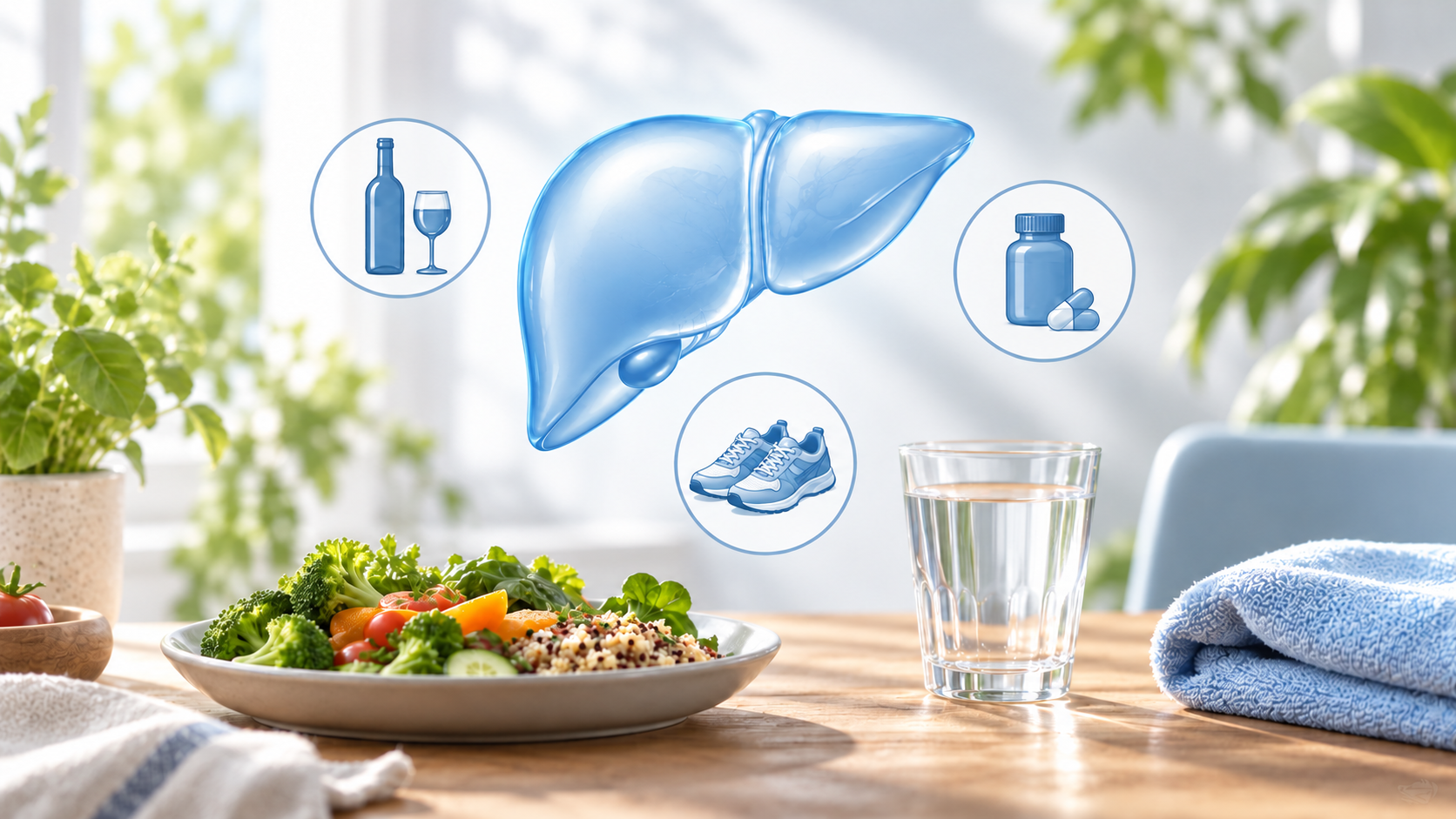
Review your medicine list before adding supplements
Some medicines, herbs and dietary supplements can cause liver injury, but their risks differ. Some injury is related to excessive doses, while other reactions are difficult to predict in an individual. Natural ingredients are not automatically safe, and approved medicines should not all be treated as harmful to the liver.
Make one list covering prescriptions, nonprescription medicines, herbs, vitamins and products used for weight loss, fitness or sleep. Record ingredients, doses, start dates and recent changes. Bring packaging or clear photographs to appointments so a doctor or pharmacist can check for duplicate ingredients, interactions and a genuine need for each product. Do not add products with unclear ingredients or promises of rapid detoxification or liver repair.
Discuss whether unnecessary supplements can be stopped. Treatments prescribed for a diagnosed condition or nutritional deficiency need an individual review. In particular, do not stop cholesterol medicines, diabetes medicines or other prescriptions simply because fatty liver has been found. For example, many people with fatty liver disease can still use statins when there is an appropriate indication. Any changes should reflect their clinical situation and test results.
Check for acetaminophen to avoid accidental duplicate dosing
Cold remedies, fever reducers and pain medicines may contain the same ingredient: acetaminophen, also called paracetamol. Different brands or intended uses do not mean that products can safely be combined. Check the ingredients before buying or taking a medicine, follow the label or prescription for dose and timing, and do not increase the dose because fever or pain continues.
Ask a doctor or pharmacist first if you have liver disease, drink regularly or take several medicines. There is no single maximum dose offered here for everyone; individual circumstances and product instructions can differ. If you suspect an accidental dosing error or overdose, seek medical or poison-service advice immediately, even if you feel well. Do not wait for jaundice.
Consider metabolic risks and liver scarring together
Metabolic dysfunction-associated steatotic liver disease, or MASLD, is one category of steatotic liver disease. Diagnosis requires evidence of liver fat and metabolic risk, alongside assessment of alcohol exposure and other possible causes. Obesity, particularly excess abdominal fat, type 2 diabetes, abnormal blood lipids and high blood pressure all deserve attention. People who are not overweight can also develop the condition, so body weight alone is not enough to judge risk.
If an examination identifies fatty liver, or liver enzymes remain abnormal, share your alcohol and medicine history, changes in weight and waist size, and earlier test results with your doctor. Liver enzymes provide some information about liver cell injury, but normal results alone cannot exclude liver inflammation or advanced fibrosis. A clinician may combine blood-test findings to assess risk, then decide whether liver elastography or other tests are needed. The tests should be chosen for the individual, rather than everyone purchasing the same package.
The goal is broader than lowering one enzyme result. Managing blood glucose, lipids and blood pressure, agreeing on an appropriate weight plan, and checking for other liver conditions all matter. If substantial fibrosis is already present, keep scheduled follow-up even when you have no symptoms.
Choose sustainable changes to food and physical activity
Consider both the amount and quality of what you eat. You do not need to ban all fats or staple carbohydrate foods, and no individual food can guarantee the removal of liver fat. Make changes that fit your circumstances:
- Replace regularly consumed sugary drinks with water or unsweetened drinks. Cut back on desserts and fried snacks that frequently add extra calories.
- Build meals around vegetables, appropriate portions of whole grains, and beans, fish or another suitable protein source. Control the amount of cooking oil and limit fats rich in saturated fat, without trying to eliminate all fat.
- Break up prolonged sitting. Start with walking you can manage and gradually add suitable strength exercises. An unchanged weight does not mean exercise is pointless: regular activity can still reduce liver fat.
- If you are overweight or have obesity, discuss gradual weight loss with a doctor or dietitian. People with cirrhosis, malnutrition or muscle loss need individually planned food and activity advice, rather than simply following a restrictive weight-loss diet.
Begin with the easiest change, track how it goes, and then add another. Short-term changes in weight or blood tests do not by themselves establish success or failure. Follow-up timing and measures of progress should reflect your condition.
Support your routine with sleep, without using alcohol as a sleep aid
Plan sleep alongside food and activity: keep fairly consistent waking and bedtimes, and allow enough opportunity to rest. Liver protection should not depend on a supposed detoxification window, and an early bedtime cannot cancel out alcohol exposure or unsafe medicine use.
In particular, do not use a bedtime drink to treat difficulty falling asleep. Alcohol may make you feel sleepy sooner, but it can lead to lighter sleep and more waking during the night. Persistent sleep difficulties deserve their own assessment. Avoid adding sleep-promoting herbs, supplements or sedatives on your own.
Bring records to appointments and recognize urgent warning signs
If you have fatty liver, diabetes, a history of sustained higher alcohol intake or persistently abnormal liver enzymes, ask what your main risks are, whether fibrosis assessment is needed, which medicines or supplements need review, and what should be checked next. An alcohol diary, a complete medicine list and earlier reports are more useful for planning care than simply asking what to take for the liver.
Seek prompt care for new yellowing of the eyes or skin, persistently dark urine with marked fatigue or nausea, or substantial abdominal swelling. Explain the timing of any recently started or changed medicine or supplement. Vomiting blood, black tarry stools, sudden confusion or unusual drowsiness with difficulty waking requires emergency care. These signs are not always caused by liver disease, but they should not be managed by trying detox teas or liver supplements while waiting to see what happens.
Health information noticeThis article provides general health education and does not replace professional diagnosis, treatment or personalized advice about medicines. Do not start, stop or change medicines or treatment based solely on this article. Seek medical care for persistent symptoms and urgent help for emergency warning signs. Images are AI-generated illustrations, not real patient photographs, clinical test results or evidence of treatment outcomes.
Copyright and rights concernsIf you believe any text or image in this article infringes your rights, please contact this website at we@worldsleep.com and provide the article link, a description of the concern and supporting rights documentation. We will review the information and respond promptly.