Ground-grain drinks, rice porridge, honey water, step targets, and calcium supplements cannot be judged by a wellness label alone. Consider nutritional needs, ongoing treatment, physical responses, and sleep. Checking portions and preparation, changing one habit at a time, and recognizing when to pause or seek medical care can help you find an approach that fits your circumstances.
A daily cup of ground-grain cereal, honey water, or a determined effort to reach a step target may all start with good intentions. But words such as “natural” and “stomach-friendly,” or how you feel on a single day, cannot tell you whether a habit suits you. More useful questions are whether it addresses a clear need, interferes with eating or sleeping, and fits your medical conditions, medicines, and physical abilities. The advice below is mainly for adults. Children, people who are pregnant or breastfeeding, and anyone with prescribed dietary requirements need a plan appropriate to their circumstances.
Ground grains and rice porridge: consider the whole meal
Whole grains can be part of everyday meals, but the label alone does not guarantee a steady blood glucose response. A short trial in adults with type 2 diabetes found smaller rises in glucose after meals containing less-processed whole grains than after nutritionally similar, finely milled whole grains. That does not establish that every ground-grain product is unsuitable, nor can the result be explained simply by less chewing.
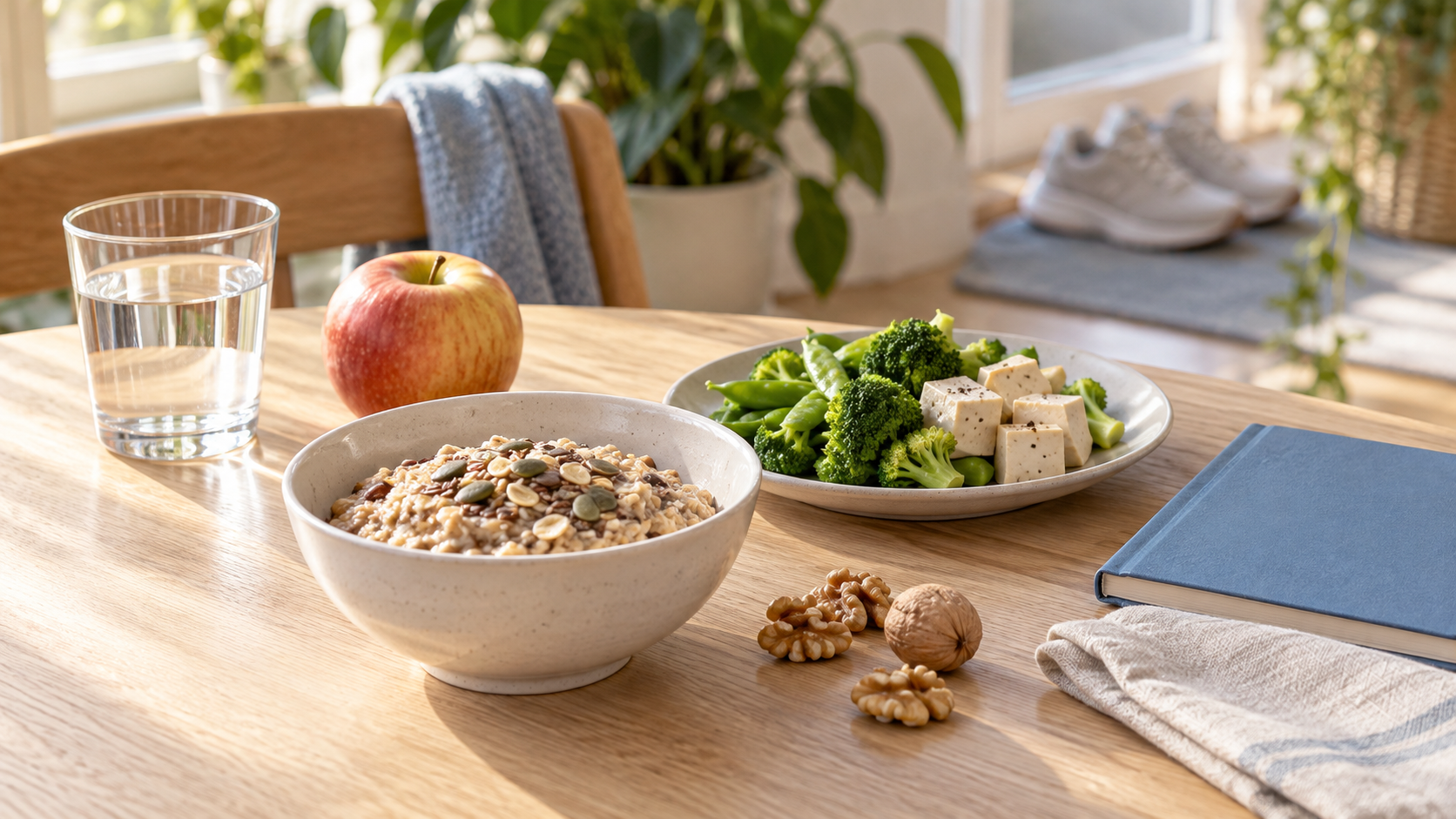
Check the ingredients, added sugar, portion size, and other foods in the meal. If you can chew comfortably, try replacing some refined grains with whole grains that retain their structure, alongside vegetables and a protein source such as tofu, eggs, or fish. People who need soft food should not force themselves to eat coarse grains. Choose a texture that fits your needs and medical advice while meeting nutritional requirements.
Plain rice porridge can provide the starchy part of a meal, but it should not carry the nutritional burden of entire meals over the long term. It is not a treatment for stomach disease. If a meal consists only of porridge and pickled vegetables, the priority is to add protein and other foods, rather than ban porridge. People with diabetes can record portions and glucose according to their existing monitoring plan after changing how they eat, then review the information with their care team. Do not adjust medicines on your own.
Honey water and juice: account for the sugar first
The sugars in honey and fruit juice are free sugars, which should be limited. “All natural” and “no added sugar” do not mean sugar-free. If you enjoy them, treat them as ordinary foods within your diet rather than replacements for everyday drinking water, or an extra drink you need for your health. Prefer whole fruit in daily meals, and include sweet drinks in your eating plan, especially when managing blood glucose.
Honey water should not be used as a treatment for persistent constipation. Diet, activity, medicines, and other factors need to be considered. If increasing fibre is appropriate, build it up gradually instead of suddenly adding large amounts of coarse grains. Follow existing instructions if your clinician has restricted fluids or particular foods. Constipation that does not improve with self-care, or occurs with blood in the stool or persistent abdominal pain, needs medical assessment. Do not delay this by adding more honey or trying “detox” drinks.
Walking more: start from your current ability
Steps are easy to track, but a count cannot tell you everything about intensity, recovery, or suitability. If you have been inactive, begin with a short walk you can complete comfortably and build up gradually. You do not need to adopt someone else's target overnight. Brisk walking can make you breathe harder, but you should not push yourself into marked breathlessness. How much you sweat is not a sufficient guide on its own.
Notice both how you feel during a walk and whether it disrupts normal activities or rest afterward. If a joint becomes swollen or painful, you start limping, or pain persists, stop increasing the activity and have the cause assessed. Pain should not be treated as an inevitable adjustment phase. People with heart disease, diabetes, or limited mobility can ask a professional to help choose the type and amount of activity. Stop exercising and seek emergency medical help if you develop chest pain, fainting, or severe difficulty breathing.
Calcium and vegetarian eating: identify the nutritional gap
Decisions about calcium supplements should take account of dietary intake, age, bone health, and medicines. Poor sleep, muscle cramps, or limited sun exposure do not by themselves establish calcium deficiency. A normal blood calcium result also does not establish that dietary calcium intake is adequate. First look at regular sources such as dairy foods, suitable fortified foods, or calcium-containing tofu, then discuss whether supplementation is needed.
Compare the ingredients in multivitamins, calcium tablets, and other products together to avoid duplication. Calcium supplements can cause constipation and interact with some medicines. Research on supplements and kidney stones is not entirely consistent, so it is inaccurate to say everyone taking them will develop stones. People with kidney disease, a history of stones, or regular medicines especially need an assessment before supplementing. These concerns are also not a reason to stop prescribed treatment on your own.
A vegetarian diet can be balanced. What matters is the combination of foods and nutrient sources, not simply whether meat is included. People following a strict vegan diet over the long term need a reliable source of vitamin B12, such as fortified foods or an appropriate supplement, and should also pay attention to protein, iron, calcium, and other nutrients. Replacing meat with white rice, fried foods, and pastries does not automatically supply these nutrients. Nutrition support is particularly useful during pregnancy or breastfeeding, or when food intake is very small.
Wellness tea and early exercise: consider the effect on sleep
“Wellness tea” is not a standard formulation, so check what it contains. Drinks made with tea leaves may contain caffeine and affect sleep even though they do not taste like coffee. If an evening drink makes falling asleep harder, try leaving out the bedtime cup or moving it earlier and observe what changes. Ongoing poor sleep should not be explained away as “detoxification.” Let hot drinks and soup cool until comfortably drinkable. Scalding heat adds no wellness benefit, and no single temperature number is an absolute guarantee of safety.
Early exercise should also leave enough time for sleep. If meeting an exercise target repeatedly means sleeping less, followed by daytime drowsiness and difficulty concentrating, change the timing. For people with a usual daytime schedule, keeping reasonably consistent bedtimes and wake times is generally more practical than continually switching “sleep-promoting” foods. Persistent sleep problems that affect daytime functioning warrant medical assessment.
Use four steps to decide whether to continue, adjust, or stop
- Define the goal.“Make breakfast more complete” or “finish a walk without excessive fatigue” is easier to assess than claims about detoxification, general vitality, or curing insomnia. A method that requires stopping medicines, abandoning normal meals, or promises to cure many diseases is not worth following.
- Change one thing at a time.For ordinary habits without warning symptoms or conflict with medical advice, start with a small change, such as reducing sweetened drinks or walking earlier. Record what you did, how much you ate, bedtime, and daytime alertness. Do not introduce several supplements at once.
- Consider benefits and costs together.Whether meals are more complete, activity is sustainable, and sleep is being squeezed out provides more useful context than one weight or glucose reading. People with chronic conditions should keep monitoring as prescribed. Feeling better does not prove a disease has improved, and a lifestyle record cannot replace diagnosis.
- Decide in advance when to change course.A habit can be kept if it causes no significant discomfort, meets nutritional and treatment requirements, and is sustainable. Repeated discomfort, worsening fatigue or sleep, or difficulty eating normally calls for reducing the intensity, changing the approach, or pausing it and seeking professional advice. Contact your care team before changing prescribed medicines or supplements.
Keeping a record helps identify changes worth discussing; it is not a way to run your own treatment trial. One good night's sleep or one lower glucose reading may reflect other influences. Having no symptoms also does not establish long-term safety. Bringing your symptoms, eating habits, and product ingredients to a clinician or dietitian is often more useful than searching for a wellness practice that supposedly suits everyone.
Health information noticeThis article provides general health education and does not replace professional diagnosis, treatment or personalized advice about medicines. Do not start, stop or change medicines or treatment based solely on this article. Seek medical care for persistent symptoms and urgent help for emergency warning signs. Images are AI-generated illustrations, not real patient photographs, clinical test results or evidence of treatment outcomes.
Copyright and rights concernsIf you believe any text or image in this article infringes your rights, please contact this website at we@worldsleep.com and provide the article link, a description of the concern and supporting rights documentation. We will review the information and respond promptly.