Gentle hand movement can be an everyday relaxation choice, but it is not insomnia treatment or a substitute for an individual rehabilitation plan. Pain, numbness, swelling or persistent stiffness calls for stopping the provoking movement and assessing symptoms and function to decide when routine or urgent medical care is needed.
Finger exercises are easy to learn, and easy to burden with unrealistic expectations. Some people try them for tired hands; others hope to sleep better, or interpret pain and numbness as a sign that they have not exercised enough to “clear a blockage.” The first questions should be whether symptoms are present, whether a movement triggers discomfort, and when to stop. Hand movement can be part of everyday relaxation, but it cannot serve as insomnia treatment or replace an individual rehabilitation plan.
Gentle movement and medical treatment have different goals
For people without hand symptoms, a recent injury or restrictions after surgery, gentle finger bending and straightening can be an everyday way to keep joints moving. Feeling comfortable is a personal experience; it does not establish that nerve compression has resolved or arthritis has improved. Nor does it demonstrate treatment of heart problems, back or leg problems, or sleep difficulties. If pain is already present, feeling warmer or looser afterward cannot identify its cause or establish treatment benefit.
This does not mean that all hand exercises lack therapeutic value. A clinician or therapist may include specific exercises in rehabilitation for conditions such as carpal tunnel syndrome. Assessment determines which movements are appropriate, when to use them and what other care is needed. A general online finger routine is different from a program with a diagnosis and defined rehabilitation goals.
Without symptoms, start within a comfortable range
If you simply want a change of position after desk work, support your forearms, keep your wrists in a natural position, and slowly open and relax your fingers or gently bend and straighten them within a comfortable range. Choose easy movements. There is no need to squeeze tightly, reach the limit of movement or complete a compulsory number of repetitions. The aim is comfortable movement, rather than soreness.
Do not force the fingers with the other hand, or increase gripping force, add weights or repeatedly circle the wrists to make the routine “more effective.” Notice how your hands feel during and after movement, and pause if it becomes uncomfortable. Warmth, temporary ease or joint sounds are not training targets or evidence that a blockage has been cleared.
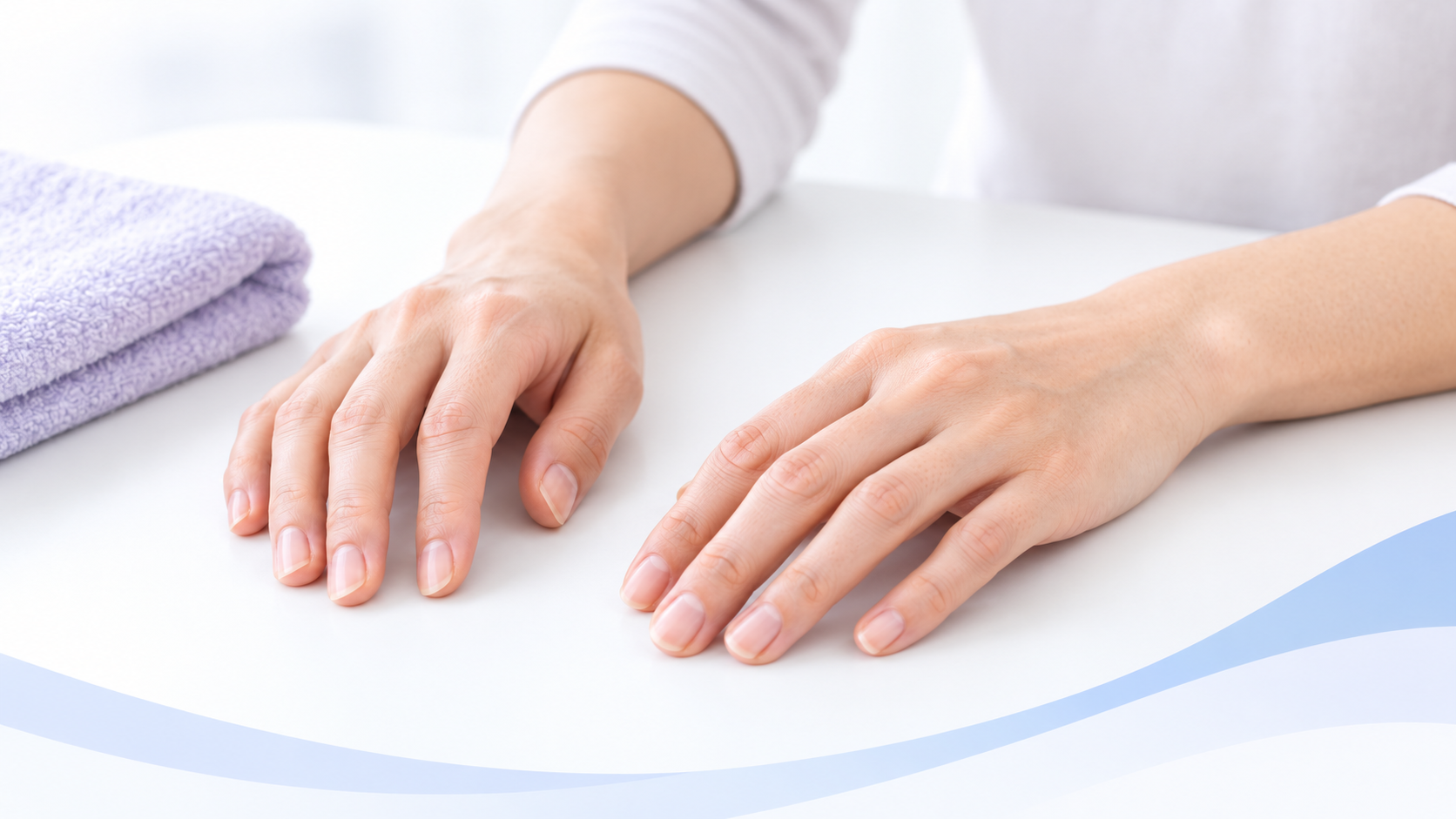
When pain, numbness or stiffness appears, stop the provoking movement
Stop the current movement if self-directed exercise causes new pain or clearly worsens existing pain; if tingling, numbness or swelling develops; or if a finger catches or becomes increasingly difficult to move. Do not repeat a movement until it supposedly stops hurting, or try to free a catching finger by forcing it to crack, shaking it vigorously or pulling hard. Numbness is not a sign of useful stimulation.
Rest the hand in a comfortable, supported position, reduce the gripping, repetitive task or loading that provokes symptoms, and observe whether they ease. Stopping a provoking movement does not mean immobilizing the whole hand for a prolonged period on your own. Whether ordinary activities can continue and whether a splint is needed depend on the condition. Suspected injuries and recovery after surgery particularly require advice specific to that situation.
Stiffness also needs context. Brief awkwardness is different from persistent swelling and pain or a clear inability to straighten a finger. If movement makes stiffness worse, or movement remains substantially restricted after rest, do not keep pushing the range. Even if symptoms settle when you stop, recurrence with the same task calls for a review of the activity and its possible cause, rather than more repetitions.
Arrange assessment for recurring symptoms or loss of function
Pain, stiffness and numbness can have different causes. Being able or unable to perform one movement cannot distinguish a tendon, joint or nerve problem. Arrange a medical assessment in the following situations. Primary care, orthopaedics or a hand service can be a starting point, with referral to rehabilitation or another specialty as appropriate:
- Pain or swelling recurs, worsens or fails to improve after rest and a reduction in provoking activities, or interferes with dressing, typing, holding a cup or sleeping.
- There is recurring numbness or tingling, waking at night with a numb hand, reduced grip strength or a tendency to drop things.
- Morning stiffness is pronounced and persistent with joint swelling, or a finger frequently catches or has restricted bending or straightening.
- You have diabetes and develop new hand pain or altered sensation, or symptoms of an existing hand condition change.
Before the appointment, note which hand and fingers are affected, when symptoms began, whether they are worse at night, which movements trigger them, any injury and your current rehabilitation arrangements. This is more useful than a count of hundreds of daily repetitions. Waking with numbness can occur with carpal tunnel syndrome, but does not establish that diagnosis. A professional can use the history and examination to decide whether further tests are needed.
At the assessment, ask which everyday activities you can continue, which movements to avoid for now, whether work tasks need adjustment, and which changes should prompt an earlier review. If exercises are prescribed, clarify the correct technique, what discomfort is acceptable and when to progress. Different conditions have different training goals. Do not simply adopt someone else's repetitions, grip exerciser or stretching program.
Injury, a hot swollen joint or sudden loss of function needs prompt care
Severe pain after injury, a finger that changes shape or colour, inability to move it or hold objects, or new loss of sensation calls for immediate emergency assessment. Do not keep stretching or attempt to put a finger back into place yourself. A markedly swollen, hot joint also needs prompt medical assessment, especially with fever, chills or feeling generally unwell. Do not assume it is simply the result of too much exercise.
After recent hand surgery, contact the surgical team promptly or seek medical care for a sudden loss of movement, or redness, swelling, pain or drainage around a wound, particularly with fever. These changes need assessment of their cause, rather than extra repetitions to see whether exercise helps.
Hand rehabilitation and insomnia each need an appropriate plan
If you are already receiving rehabilitation, follow your team's instructions about movements, splints and progression. Do not add an online finger routine without checking. Training after tendon repair has particular protection requirements: do not increase force to speed recovery, or stop all prescribed movement out of fear. With new or worsening pain, numbness or functional change, pause the provoking movement and contact the team about adjustments. The everyday movement suggestions here do not replace that prescription.
If night-time hand pain or numbness is disrupting sleep, the hand symptoms need assessment. If your hands are comfortable and you simply enjoy gentle movement before bed, it can be a personal relaxation choice. There is no need to increase it in an effort to make yourself fall asleep. Feeling comfortable or calm is different from successfully treating insomnia; a finger routine should not be used as insomnia treatment.
Seek a sleep-related assessment if insomnia persists or daytime functioning is affected. A regular sleep schedule, reducing caffeine and alcohol close to bedtime, and a quiet, comfortable sleep environment provide a foundation, but long-term insomnia often needs further treatment. Cognitive behavioural therapy for insomnia (CBT-I) is usually the first treatment choice for long-term insomnia. It is more than relaxation or a series of hand movements. Describing hand symptoms and sleep difficulties separately helps clinicians develop an appropriate care plan.
Health information noticeThis article provides general health education and does not replace professional diagnosis, treatment or personalized advice about medicines. Do not start, stop or change medicines or treatment based solely on this article. Seek medical care for persistent symptoms and urgent help for emergency warning signs. Images are AI-generated illustrations, not real patient photographs, clinical test results or evidence of treatment outcomes.
Copyright and rights concernsIf you believe any text or image in this article infringes your rights, please contact this website at we@worldsleep.com and provide the article link, a description of the concern and supporting rights documentation. We will review the information and respond promptly.