Hot water, repeated rubbing, and overlapping exfoliants can increase skin irritation. Learn how irritation differs from contact allergy, how to review everyday exposures and reduce product trial and error, and how to ease discomfort and recognize when itching that affects sleep needs medical attention.
Skin that feels tight after washing, stings when you apply a product, or starts itching in bed can make you want to wash again or add another “repair” product. Repeatedly adding steps may compound irritation. To reduce discomfort, start by reviewing what touches your skin and how you wash and rub it. When itching interrupts sleep, the skin symptoms themselves also need attention.
Understand irritation and allergy before labeling your skin
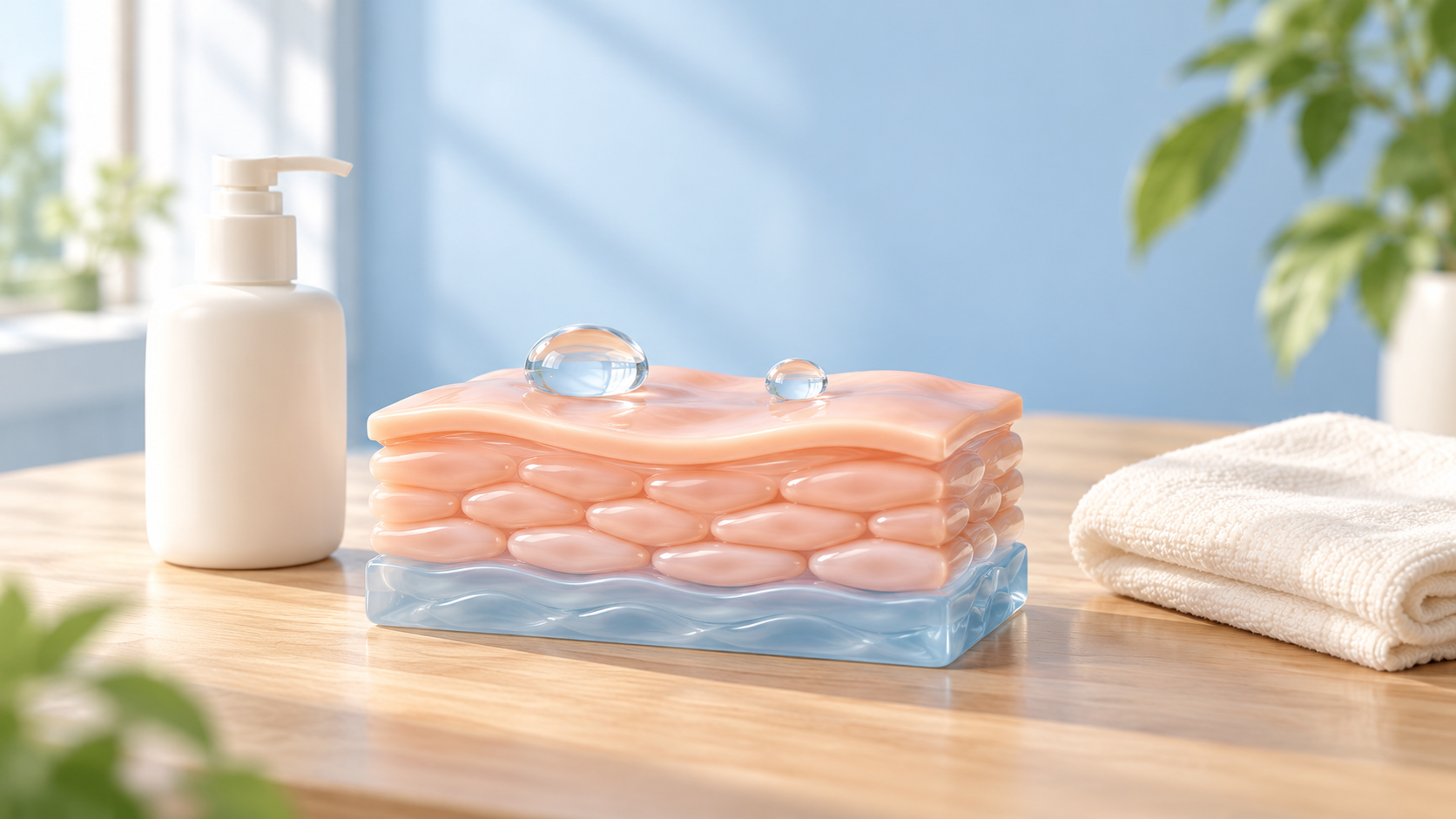
The skin’s outer barrier helps limit water loss and protect against external irritants. Hot water, repeated exposure to cleansers, and friction can leave skin dry, tight, burning, or flaky. Irritant contact dermatitis can follow one strong exposure or repeated milder exposures; a pre-existing allergy to an ingredient is not required.
Allergic contact dermatitis involves an immune response. Fragrances, certain preservatives, hair dyes, or metals can be triggers for particular people. A product that caused no trouble before may cause a reaction later, and symptoms can be delayed. Redness, itching, and stinging alone do not reliably distinguish these conditions or show that an ingredient is harmful to everyone. Recurrent symptoms need assessment of the exposure history and, when appropriate, testing.
The habit changes in this article are intended for people who often experience dry, itchy skin or discomfort after cleansing, or who want to identify possible irritants. People with diagnosed eczema or other skin conditions, those receiving skin treatment, and children should follow an individualized plan from their clinician.
Cleanse sufficiently and reduce heat and friction
Using a squeaky feel or rubbing off a layer of material as the standard for cleanliness can distract you from discomfort. Use warm water for washing your face and body, and avoid prolonged showers or soaking. Cleanse gently with your hands, rinse, and pat dry. Avoid repeatedly rubbing red or flaky areas and using very hot water to relieve itching.
Adjust cleansing to the day’s sweat, dirt, makeup, and product instructions. Once hard-to-remove makeup or water-resistant products have been adequately removed, there is no need to follow with repeated brushing, scrubbing, and strong cleansing products. For dryness or itching, apply a moisturizer you already tolerate while skin is still slightly damp. If even your usual moisturizer causes persistent burning, seek assessment. Continue necessary hand hygiene and workplace hygiene precautions.
Watch for overlapping exfoliants and active products
Exfoliation is optional and does not suit everyone. Physical friction from scrubs or cleansing brushes combined with acid-based exfoliants may increase irritation. If you use retinoids or benzoyl peroxide in treatment or skincare products, pay particular attention to dryness, peeling, and the added burden of exfoliation. Oily skin does not necessarily tolerate stronger cleansing.
There is no exfoliation schedule or ingredient ban that suits everyone. If stinging, redness, or flaking persists, pause exfoliants you have added yourself and other suspected nonessential products to reduce the number of variables. Contact the prescriber about changes to prescription medicines. Avoid exfoliating sunburned or broken skin. Do not interpret burning as proof that a product is working and add more products to suppress the discomfort.
For example, using an exfoliant, repeatedly scrubbing with a cleansing brush, and then applying a new face mask on the same evening makes it difficult to identify the cause if stinging develops. Reducing extra steps on a given evening makes observation easier than frequently replacing an entire routine. Formulations, concentrations, and instructions differ, so ingredient names alone cannot establish whether products are suitable for use together.
Look beyond the skincare shelf for exposures
Potential triggers include shampoo, hair dye, perfume, jewelry, clothing dyes, and household cleaners, as well as products applied directly to the face. Record symptoms that repeatedly affect the same area after housework, hair appointments, or work. People who frequently do wet work can choose suitable protective gloves for the task. If gloves themselves cause discomfort, tell the clinician about their material and how they are used.
For dry, itchy skin, consider fragrance-free products and check for ingredients you already know you are allergic to. “Unscented” may mean that odors have been masked, and “natural” or “plant-based” does not guarantee freedom from allergic reactions. Preservatives serve a purpose in products. Avoid specific ones when they have been identified as relevant to your reaction, rather than assuming the entire category is harmful.
Use a record to reduce repeated trial and error
- Pause suspected exposure. If discomfort follows a new, nonessential product, stop using it and gently wash it off. Avoid scrubbing or adding products marketed as detox or emergency fixes. After a clear reaction, do not repeatedly reapply a product to prove it was the cause.
- Record timing and location. Note what you used, how long the exposure lasted, where symptoms started, and whether bathing, housework, or changing clothes made them worse. Keep packaging and full ingredient lists, and take photographs to show the clinician when helpful.
- Introduce one variable at a time. If you need a new product once symptoms have settled, add products individually, follow their instructions, and observe your skin. Trying a product on a small area at home provides only a clue about local tolerance; it cannot rule out later reactions or replace medical diagnosis.
- Investigate recurrent reactions. A clinician may recommend patch testing to look for delayed contact allergies. This differs from skin prick testing or simply trying a little product yourself. One round of testing may not identify every trigger.
Ease bedtime itching and avoid further scratching
Itching can interfere with falling asleep and staying asleep, while scratching can further irritate and injure the skin. Before bed, consider whether you have just taken a very hot shower, are wearing rough or tight clothing, or feel overheated under the bedding. Choose loose, soft clothing, reduce direct friction from rough fabrics, and keep the sleep environment comfortable without overheating.
For an itchy area, briefly apply a clean, cool, damp soft cloth, stopping if it feels uncomfortable. Avoid vigorous rubbing. On dry areas, use a fragrance-free moisturizer that you already tolerate. These measures may ease some discomfort, but they cannot guarantee relief from insomnia or cure dermatitis. If itching frequently wakes you, seek assessment of the cause. Do not combine anti-itch medicines, steroid creams, or sleeping medicines on your own just to get through the night.
Itching can also come from eczema, hives, insect bites, or other conditions. More noticeable symptoms at night do not confirm an allergy to bedding. If there is no clear exposure pattern, investigating and treating the cause is more helpful than repeatedly buying skincare products.
Know when to seek medical care
- Symptoms persist, recur, or keep worsening, affect sleep or work, or fail to improve after simplifying your routine.
- A rash is widespread, affects the eye area or other sensitive sites, or causes substantial swelling, pain, blisters, or broken skin.
- A rash worsens rapidly with increasing pain, pus, fever, or feeling generally unwell. Seek prompt medical assessment for possible infection or other problems.
If you also develop difficulty breathing or rapidly increasing swelling of the face, lips, tongue, or throat, seek emergency help immediately. Everyday adjustments aim to reduce identifiable irritants and find clues to recurrent discomfort. There is no need to attribute every skin problem to late nights, diet, or a particular skin type.
Health information noticeThis article provides general health education and does not replace professional diagnosis, treatment or personalized advice about medicines. Do not start, stop or change medicines or treatment based solely on this article. Seek medical care for persistent symptoms and urgent help for emergency warning signs. Images are AI-generated illustrations, not real patient photographs, clinical test results or evidence of treatment outcomes.
Copyright and rights concernsIf you believe any text or image in this article infringes your rights, please contact this website at we@worldsleep.com and provide the article link, a description of the concern and supporting rights documentation. We will review the information and respond promptly.