Rosy lips and sound sleep cannot establish that cardiovascular and metabolic measurements are normal. Learn what blood pressure, lipid and glucose tests can tell you, record results reliably, and set follow-up and management goals in the context of your medical history. Sleep belongs in that plan, while snoring with gasping and sudden changes in lip color require appropriate medical attention.
Claims such as “rosy lips and sound sleep mean your blood is clean” treat outward signs as a window into everything happening inside the body. In reality, there is no clinical “blood cleanliness” score based on lip color, sleep or the temperature of your hands and feet. High cholesterol and some blood glucose abnormalities can cause no obvious symptoms. Looking healthy cannot replace measurements and appropriate tests.
If your concern is heart, blood vessel or metabolic health, more useful questions are: Which risks can be measured? Do the results need confirmation? What should happen next? This article is mainly for adults who want to understand their risk. People with an established chronic condition can use it to prepare for a conversation with their clinician.
Replace “dirty blood” with a specific question
Abnormal blood lipids, elevated glucose, anemia and clotting problems mean different things. Describing them all as “dirty blood” obscures those differences. Cholesterol itself is a substance the body needs; the relevant questions concern particular measurements and overall risk, rather than removing it completely. Uric acid tests and a complete blood count also serve specific purposes. Neither is an overall health score.
When a product promises “blood cleansing” or “detoxification,” ask which measurable outcome it claims to change, whether reliable human studies support it, and whether it could delay existing treatment. There is no compelling research supporting commercial detox diets for removing toxins from the body, and the available studies are few and limited in quality. Juice-only fasting, laxatives or excessive water intake may also cause inadequate nutrition, dehydration or electrolyte disturbances.
Assess risk with measurements that can be checked
Tests are useful when they answer a specific question. Bring previous reports to your appointment and focus on the following information, rather than buying a package of “blood cleansing tests” without a clear purpose.
- Blood pressure: Record both the systolic and diastolic readings, along with the time, how you were feeling and any relevant medication use. One reading describes one moment. Properly repeated measurements help determine whether blood pressure is abnormal and whether treatment is needed.
- Blood lipids: A standard lipid panel usually includes total cholesterol, low-density lipoprotein cholesterol (LDL-C), high-density lipoprotein cholesterol (HDL-C) and triglycerides. LDL-C is an important treatment measure, but its target depends on individual risk. Someone who has already had a heart attack or stroke may have a different target from someone without that history. Checking whether the laboratory has flagged a result as high is not enough.
- Blood glucose: A clinician may choose fasting glucose, hemoglobin A1c (HbA1c) or another test according to the situation. HbA1c reflects average glucose over roughly the previous three months, but certain forms of anemia, hemoglobin variants and circumstances during pregnancy can affect its accuracy. A single home glucose meter reading cannot establish a diabetes diagnosis; diagnostic results usually require further confirmation.
- Personal background: Age, weight changes, smoking, existing conditions and family history also matter. Tell your clinician if relatives had a heart attack or stroke relatively early in life, or have markedly high cholesterol. The same laboratory number can lead to different management plans in people with different medical histories.
A report with no abnormal results is not permanent clearance. Testing intervals should reflect age, risk, previous findings and treatment changes; everyone does not need the same large annual screening package. Office and home blood pressure readings, as well as results from different testing methods, also need to be interpreted in their respective measurement settings.
After an abnormal result, clarify the next steps: Does it need to be checked again? What is your personal target? When should testing be repeated? Which changes should prompt earlier contact with your clinician? Keep the date, units and values from each report and ask your clinician to review trends. Numbers in different units cannot be compared directly, and an improvement in one result does not mean that risk has disappeared.
Make measurements reliable
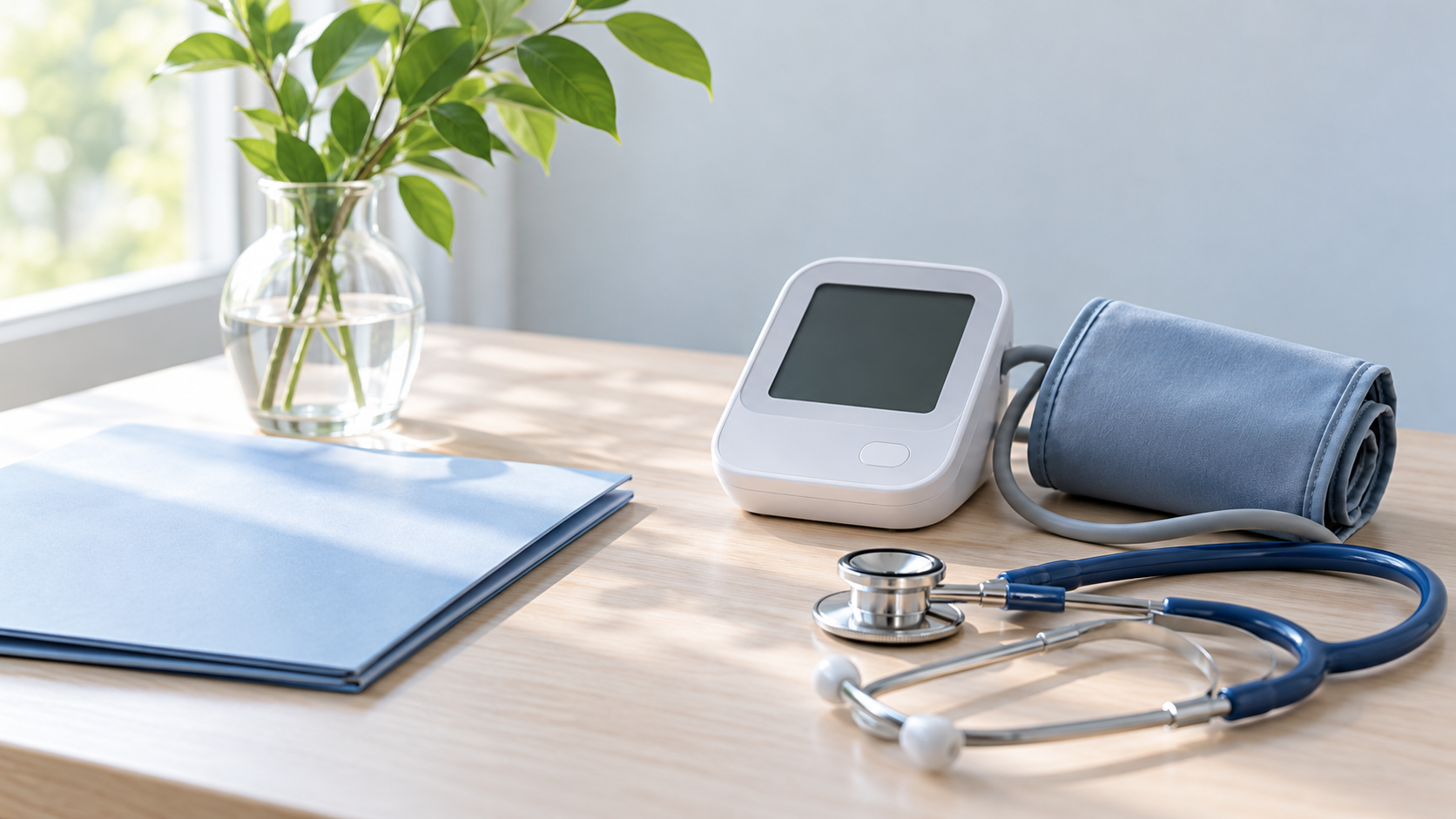
If your clinician recommends home blood pressure monitoring, choose a validated automatic upper-arm device with a cuff that fits, and ask a health professional to check your technique. Avoid smoking, caffeinated drinks and exercise for thirty minutes beforehand, empty your bladder, and rest quietly for at least five minutes. Do not talk during the measurement. Place the cuff on your bare upper arm and keep the arm supported at heart level.
Take two readings one minute apart and record both. Agree with your clinician on when to measure and for how many days. Do not keep only the lowest readings or stop medication because of one normal result. Discuss abnormal findings with your clinician; extra water or catch-up sleep cannot simply “flush them away.” Follow the instructions for the specific blood test about fasting, and do not independently extend the fast or stop prescription medicines.
Sleep supports health but does not diagnose it
Sleep belongs alongside diet, activity, tobacco exposure, blood pressure, lipids, glucose and weight as an important aspect of cardiovascular health. Most adults need about seven to nine hours each night. Reaching that duration does not establish that other measurements are normal, and one poor night does not mean an artery has become blocked. A health association observed across a population cannot be used as an individual diagnosis.
Start with a reasonably consistent wake-up time and enough opportunity to sleep, while paying attention to how you function during the day. Frequent loud snoring, witnessed pauses in breathing, waking up gasping or marked daytime sleepiness should be discussed with a clinician; a sleep study may be needed. People may be unaware of breathing disturbances during sleep, so feeling that you “sleep very deeply” does not rule out a problem.
Turn the wish to “clean your blood” into practical habits
You do not need to organize your life around a particular “blood cleansing food.” Replace some processed meat with beans, fish or similar foods, include more vegetables and whole grains with moderate portions of nuts, and use suitable plant oils for cooking. Focus on the overall eating pattern rather than treating every type of fat as harmful. Choose walking or another activity you can maintain, break up long periods of sitting, and build activity gradually. If you smoke, aim to quit and reduce exposure to secondhand smoke.
Choose one or two concrete goals for each follow-up appointment, such as bringing a complete blood pressure record, booking the next test or arranging smoking cessation support. You do not need to promise an immediate improvement in every measurement. Lifestyle changes and necessary medication can work together. Decisions about cholesterol-lowering medicines or other treatment should be made with a clinician in the context of your risk; supplements and “cleansing courses” cannot substitute for that care.
Know when color changes or symptoms need medical attention
The fact that lip color cannot assess long-term risk does not mean every color change can be ignored. If the lips, tongue or face suddenly turn blue or grey, especially with breathing difficulty, chest pain, confusion or significant dizziness, call local emergency services immediately. Do not drive yourself to hospital. These changes may indicate low oxygen or another serious problem. Do not wait to see whether sleep will resolve them.
Persistent fatigue, a marked change in lip color, declining exercise tolerance or repeatedly abnormal tests also warrant an appointment so that a clinician can decide what assessment is appropriate. Explain when the problem began, how long it lasts and what other symptoms occur. Bring measurement records and a list of medicines and supplements. These details are more useful than labeling the problem “dirty blood.”
Health information noticeThis article provides general health education and does not replace professional diagnosis, treatment or personalized advice about medicines. Do not start, stop or change medicines or treatment based solely on this article. Seek medical care for persistent symptoms and urgent help for emergency warning signs. Images are AI-generated illustrations, not real patient photographs, clinical test results or evidence of treatment outcomes.
Copyright and rights concernsIf you believe any text or image in this article infringes your rights, please contact this website at we@worldsleep.com and provide the article link, a description of the concern and supporting rights documentation. We will review the information and respond promptly.