Skip to content

WORLDSLEEP CUP / PUBLIC PROGRAMS

WorldSleep Cup

Make better sleep a shared pursuit.

From sleep-science communication and sleep-quality competitions to school, community and everyday-living activities, explore different ways for individuals, families and groups to take part.

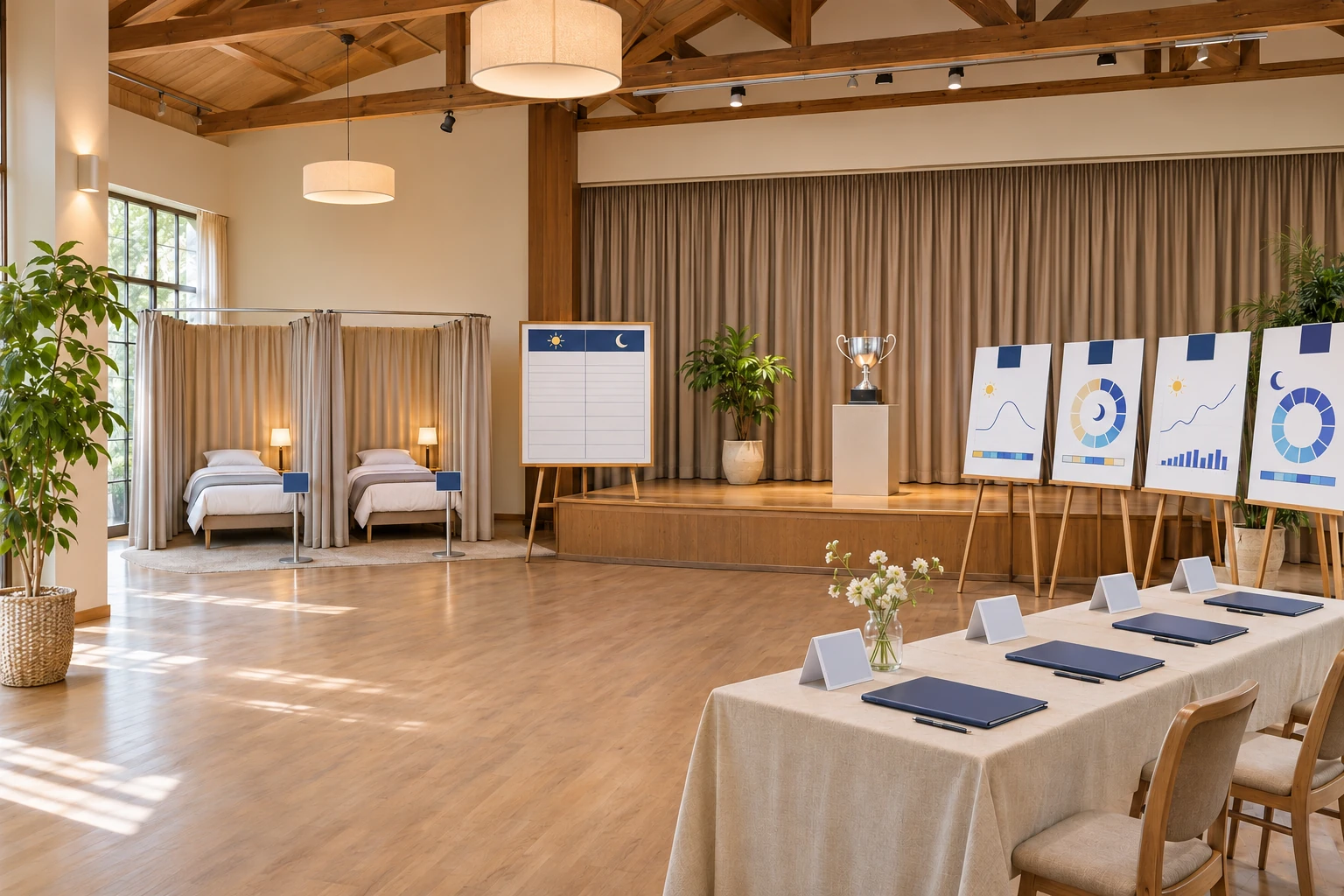
AI illustration of an unoccupied public sleep-science and sleep-quality competition venue with a trophy, entry displays and sleep-experience bays
AI-generated concept image

WorldSleep Cup brings the public together through sleep knowledge, everyday practice and shared participation. Explain a sleep topic through a creative entry, join a sleep-quality competition, or take on a themed challenge with a school, community or family. Each direction offers its own way to take part and share thoughtful work.

PUBLIC PROGRAMS

Find your way to take part

Programs may be developed around the following themes. Available tracks, groups, duration and submission requirements are published for each edition.

CREATE & EXPLAIN

Sleep science communication

Choose a sleep question that deserves a clear explanation. Use reliable sources and an accessible format to explore everyday misconceptions, routines, environments or questions people actually ask.

For example: a short, well-sourced video explaining a common sleep misconception.

Possible formats
Articles · Short films · Talks · Interactive explainers
Learn about sleep by taking part

Sleep-quality competition

Explore sleep, daily routines and personal experience through an on-site or at-home competition. Follow the schedule, complete the tasks and share your reflections. Bring sleep health into everyday life and learn from fellow participants.

For example: complete an edition’s tasks on site or at home, then share your process and discoveries.

Possible formats
On-site competition · At-home participation · Experience sharing
Explore the two sleep-quality competition formats

CONNECT & INVOLVE

School & community projects

Work with a class, school, neighborhood or interest group to create a sleep-themed project. Connect learning with real life, document how the activity works and listen to participants’ feedback.

For example: a collaborative sleep-awareness exhibition shaped by visitors’ questions.

Possible formats
School projects · Community activity plans · Collaborative showcases

EXPLORE & SHARE

Sleep & everyday living

Explore sleep through workshops, visual stories and shared observations. Start with a resting space, a family conversation or a story about daily routines, and turn a broad topic into something people can understand and join.

For example: a photo essay about what a comfortable place to rest means to you.

Possible formats
Workshops · Visual stories · Experience sharing

A place for different perspectives

Individuals & families

Start with your own routines and turn observations into a story worth sharing.

Schools & communities

Bring sleep awareness to more people through collaborative projects and local activities.

Science communicators

Use writing, film and interactive formats to make evidence-informed knowledge accessible.

SLEEP-QUALITY COMPETITION

Sleep-quality competitions: join on site or take part at home.

Explore sleep, daily routines and personal experience through competition. Join fellow participants at a venue, or complete the program in your familiar home environment. Tasks, duration and entry groups are set out in each edition’s rules.

ON SITE

On-site competition

Attend a designated venue to complete competition tasks and exchange experiences in person.

Getting started
Check in as scheduled and confirm the theme, entry group and venue arrangements.
Taking part
Complete the required tasks within the scheduled period and keep an honest account of your experience.
Sharing your work
Present your observations, approach and discoveries through the edition’s activities.
After the event
Follow the results announcements and take part in feedback and reflection as arranged.

AT HOME

At-home competition

Bring the competition into everyday life through continued practice and an honest account of your experience.

Getting started
Confirm the theme and participation period, then plan your entry around the requirements.
Taking part
Follow the schedule at home and record your routines, activities and relevant experiences.
Preparing your entry
Bring together the process, discoveries and reflections requested by the competition.
Submitting and sharing
Submit on time and join online discussion or an entry showcase as arranged.

Understand what your entry requires.

Read the rules before planning your participation so your entry is complete, authentic and ready to share.

  • Confirm your entry group

    Check age, individual and team requirements, and choose an eligible category.

  • Follow the schedule

    Note the participation period, required tasks and submission deadline.

  • Keep it authentic and original

    Describe the process honestly, credit sources and collaborators, and obtain permission before featuring others.

Clear assessment, explained results.

Assessment can differ by category. Each edition’s rules should explain the criteria and how results will be communicated.

Competition stage
Competition stageWhat to check
Groups and formatsCheck how on-site and at-home entries are grouped and whether they are assessed separately.
Valid participationConfirm that the participation period, process and submitted work meet the requirements.
Assessment and showcaseRefer to the rules for criteria, scoring and the scope of public display.
Results and feedbackCheck when results will be announced and how to raise questions or request a review.

PREPARE YOUR PARTICIPATION

A meaningful entry begins with a real question.

You do not need a perfect routine or a polished success story. A clear question, a thoughtful process and an honest reflection can make a valuable contribution.

  • Explain your focus

    Introduce your topic, intended audience or everyday question so others understand your starting point.

  • Keep a credible account

    Cite sources in science communication entries, document your competition experience, and keep process notes and participant feedback for group activities.

  • Share discoveries and open questions

    Include useful discoveries, unresolved questions and next steps without overstating personal experience.

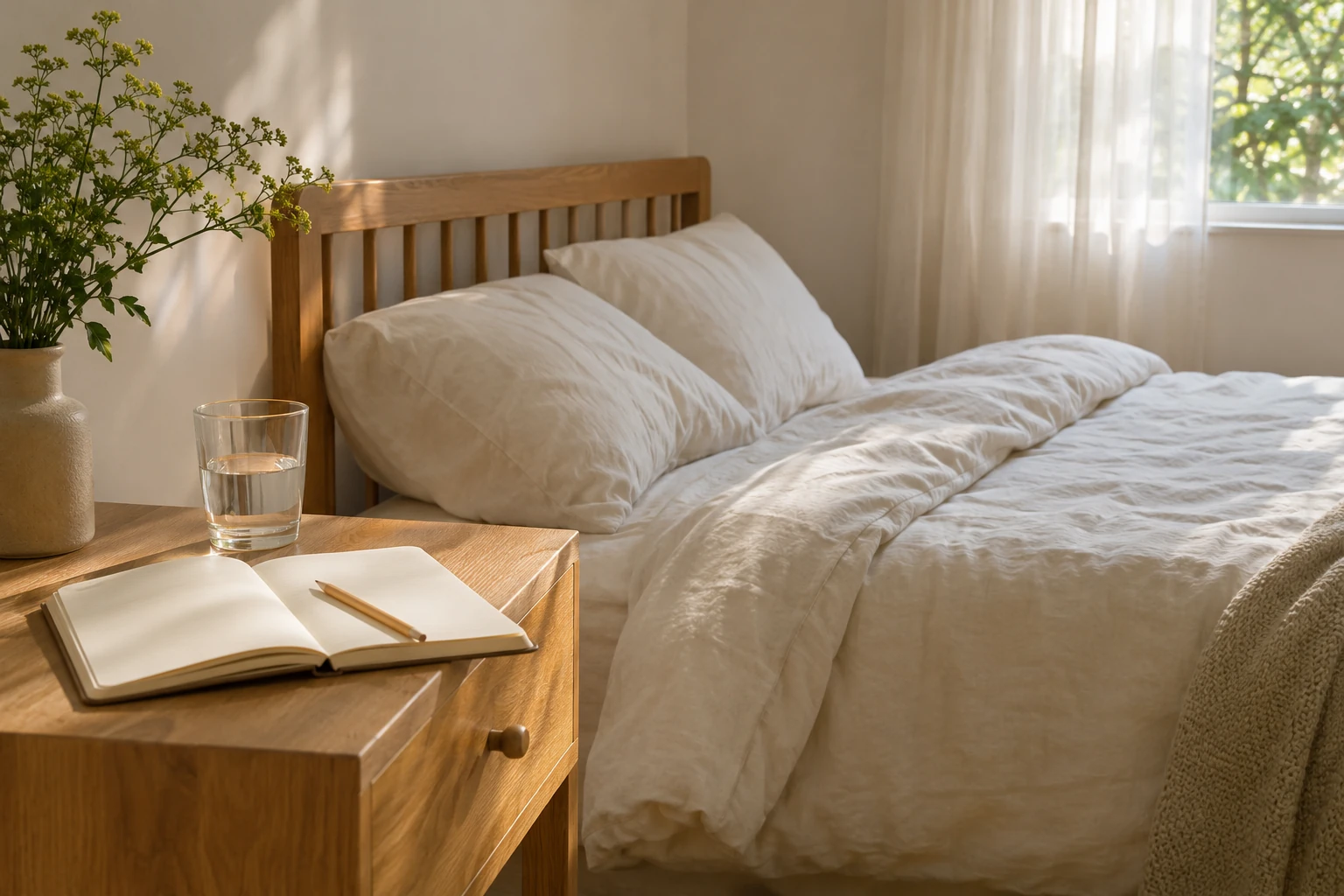
AI editorial image of a sleep journal in an unoccupied morning bedroom
AI-generated concept image

PREPARATION & DISCUSSION

What makes participation meaningful

Different programs may use different showcase and discussion formats. These dimensions can guide preparation; formal assessment rules are announced for each edition.

Evidence

Use reliable sources and distinguish a personal experience from a broader conclusion.

Clarity

Keep the theme focused and the communication accessible and engaging.

Authenticity

Present the real process and respect different circumstances and individual needs.

Engagement

Connect with an audience and offer experiences others can thoughtfully discuss.

HOW TO TAKE PART

Turn an idea into a considered entry

  1. Explore the theme

    Read the edition’s announcement for categories, eligibility and submission requirements.

  2. Choose your direction

    Select science communication, a sleep-quality competition, or a school or community activity that fits your interests.

  3. Complete the tasks

    Create an entry, take part in the competition or organise an activity, keeping sources and an honest account of the process.

  4. Submit and exchange

    Submit as instructed and develop your ideas through showcases and feedback.

Dates, venues, eligibility, entry groups, submission formats, assessment and fees are governed by each edition’s official announcement.

QUESTIONS & ANSWERS

Before you take part

Can I take part without a professional background?

Public programs value learning, creativity and authentic participation. Individuals, families, students and community groups can look for a suitable activity. Age, group and team requirements are announced for each edition.

Which direction should I choose?

Explore science communication if you enjoy creative expression, or a sleep-quality competition if you are interested in everyday sleep practice. Schools, communities and families can also look for group challenges and lifestyle activities.

How do on-site and at-home competitions differ?

On-site participants follow a venue-based schedule; at-home participants complete the program in their daily living environment. Tasks, duration, groups and whether formats are assessed separately depend on the edition’s rules.

Can we enter as a team?

Schools, communities and interest groups can look for team categories. Availability, team size, contribution statements and credits are defined by each category’s rules.

When can I register, and where do I submit?

This page introduces competition and activity directions. Each edition’s announcement provides registration dates, submission links, entry groups, work specifications and showcase arrangements.

Can I use AI to help create a science communication entry?

Check the edition’s rules on permitted tools first. If AI assistance is allowed, disclose its use as required, verify facts and references, and confirm that you have permission to use source materials.

Will my entry be publicly displayed?

The registration information should explain how entries, participation records and showcase materials may be used. Review the display permissions before submitting and obtain any necessary consent from others featured in your work.

How are entries assessed, and where are results published?

Criteria and showcase formats may differ by category. Assessment methods, results announcements, feedback and review channels are set out in each edition’s official announcement.